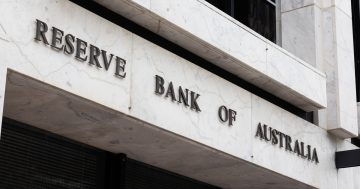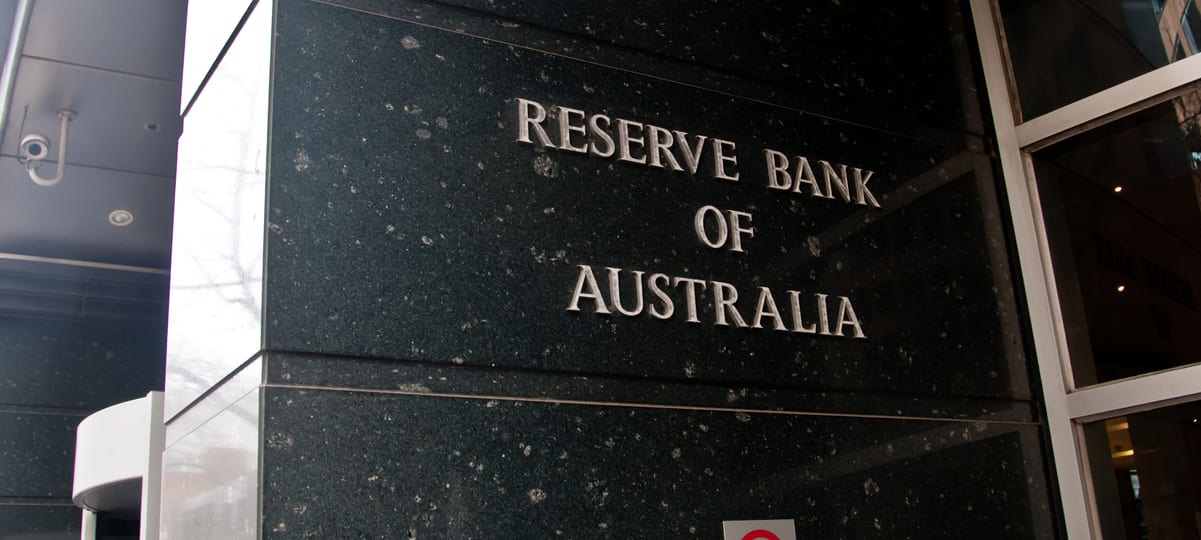
The RBA said the inflation figure exceeding the target range led to the rate hike. Photo: RBA.
The board of the Reserve Bank of Australia (RBA) has announced it has lifted the cash rate target by a quarter of a per cent to 3.85 per cent.
The announcement was predicted by the major banks and most commentators following figures released in late January showing an unexpected jump in inflation in the year to December, from 3.4 per cent in 2024 to 3.8 per cent. It represents the first increase by the RBA since November 2023, after no rises or cuts in 2024, and three cuts in 2025.
The RBA said the inflation target range was between 2 and 3 per cent, so an increase to the high 3s had caused it to act.
“A wide range of data over recent months have confirmed that inflationary pressures picked up materially in the second half of 2025,” the RBA board said in a statement.
“While part of the pick-up in inflation is assessed to reflect temporary factors, it is evident that private demand is growing more quickly than expected, capacity pressures are greater than previously assessed and labour market conditions are a little tight.
“While inflation has fallen substantially since its peak in 2022, it picked up materially in the second half of 2025.
“The board judged that inflation is likely to remain above target for some time and it was appropriate to increase the cash rate target.
“The board has been closely monitoring the economy and judges that some of the increase in inflation reflects greater capacity pressures. As a result, the board considers that inflation is likely to remain above target for some time.”
It says capacity pressures partly reflect a greater momentum in demand seen in recent months.
“Growth in private demand has strengthened substantially more than expected, driven by both household spending and investment,” the RBA said.
“Activity and prices in the housing market are also continuing to pick up.”
Looking ahead, the board said the economy was likely to grow faster in 2026 than previously forecast.
“The recent pick-up in spending by Australian households and businesses is likely to continue this year, providing a boost to the overall economy, before easing off a little,” it said.
It said the jobs market was forecast to remain healthy, and the unemployment rate was expected to remain low throughout the year before gradually increasing in 2027, with inflation tipped to remain above the desired 2 to 3 per cent target range.
“Some of the recent price pressures are likely to continue and we expect inflation to be above the target for some time.”
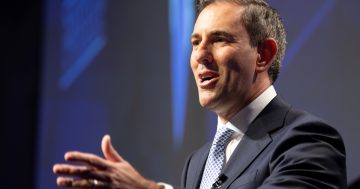
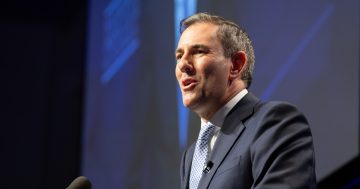
In a statement following the announcement, Treasurer Jim Chalmers said the rate rise would be “difficult news” for Australians with a mortgage, and that he understood the pressure this would place on families and businesses.
“While today’s decision was widely expected, that doesn’t make it any easier,” he said.
“We know many Australians are doing it tough, which is why we continue to roll out responsible cost-of-living relief, including a further tax cut later this year and another one next year.”
Master Builders Australia (MBA) CEO Denita Wawn said the rise would leave the industry and homeowners carrying much of the weight of the nation’s economic challenges, and the pain of interest rate increases could be expected to suppress construction activity.
“The vast majority of money for commercial building projects comes from private sector investment,” she said.
“Higher inflation and interest rates make business investment more expensive and less attractive by reducing returns and increasing the cost of inputs.
“The pain caused by today’s decision will also fall on small construction businesses and mums and dads embarking on new builds as inflation and rate rises make businesses more cautious and reduce margins in household budgets.”
ACTU secretary Sally McManus called on landlords to absorb the interest rate rise instead of passing it on to renters.
“Housing is one of the biggest cost-of-living pressures, and today’s rate rise will make that worse for renters and home buyers,” she said.
“Professional landlords should absorb these higher interest rate costs and not pass them on to renters, who are already struggling — especially given landlords are already benefiting from high house prices and the current tax settings.”
Original Article published by Andrew McLaughlin on PS News.