
The Supreme Court hearing into the Janine Balding case was heard on 17 December. Photo: Wikipedia.
A judge has dismissed a two-year legal case on the notorious 1988 killing of a Wagga woman, after court action used to access further DNA evidence ran its course.
However, the door remains open for a man imprisoned for her murder to challenge his conviction.
Twenty-year-old Janine Kerrie Balding was abducted, raped and killed by a group of homeless people in Sydney 37 years ago. The case shocked the nation and was often likened to the murder of Anita Cobby two years earlier.
Stephen Wayne ”Shorty” Jamieson, then aged 22, was accused of being part of this group, and in 1990 was sentenced to life in prison for Ms Balding’s rape and murder.
He has long proclaimed his innocence, saying he was mistaken for a man who went by the same nickname – Mark ‘’Shorty’’ Wells.
In 2023, Jamieson launched a civil Supreme Court action from his jail cell, seeking to compel the NSW Government to forensically test a bandana used to gag Ms Balding to see whether DNA on it could match Wells.
At a Supreme Court hearing last week, lawyers representing both Jamieson and the NSW Government agreed that this DNA testing had been completed and this procedural civil case that had been before the courts for two years could now end.
Jamieson, now aged 59, attended the court hearing via audiovisual link from Goulburn’s prison. He had a goatee beard and ponytail, wore dark sunglasses and listened in silence.
In a previous hearing on this matter, in December 2024, a forensic expert told the court that Jamieson’s DNA was not identified on the bandana.
However, the question of whether Wells’s DNA was found on the bandana has not been revealed.
Wells, 63, has denied playing any part in Ms Balding’s rape and murder.
Judge Ian Harrison said it was now up to Jamieson’s lawyers to decide whether to file a Part 7 application — a special legal process that can lead to an inquiry into his conviction.
“Whether [the DNA evidence] either discloses a connection with a particular third person, and I understand there’s some evidence about that, or whether the DNA material, when provided, was so degraded that it didn’t answer any questions one way or the other, is not a matter that I’m concerned about now,” Judge Harrison told the hearing.
“It’s a matter for Mr Jamieson’s legal advisers to take whatever steps they consider they should take in relation to his conviction if that material seems likely to assist them.”
Jamieson’s lawyers declined to comment on the next steps they may take in this case.
Judge Harrison did not make any findings on the DNA itself and his ruling did not affect Jamieson’s 1990 criminal conviction.
Even if Wells’s DNA is found on the bandana, it may not be enough to overturn Jamieson’s conviction, given other evidence presented at the original criminal trial in 1990. It may, however, strengthen the case for an inquiry or review into his conviction.
Ms Balding’s brother, David Balding, who was just 10 years old when his sister was murdered, believes justice was served 35 years ago.
“We are far beyond proving reasonable doubt. They already thoroughly investigated [the claim of mistaken identity] at the original trial, yet it’s been dragged up again,” he said.
“I’m more than convinced Wells wasn’t there … what they’re doing now is a waste of time.”
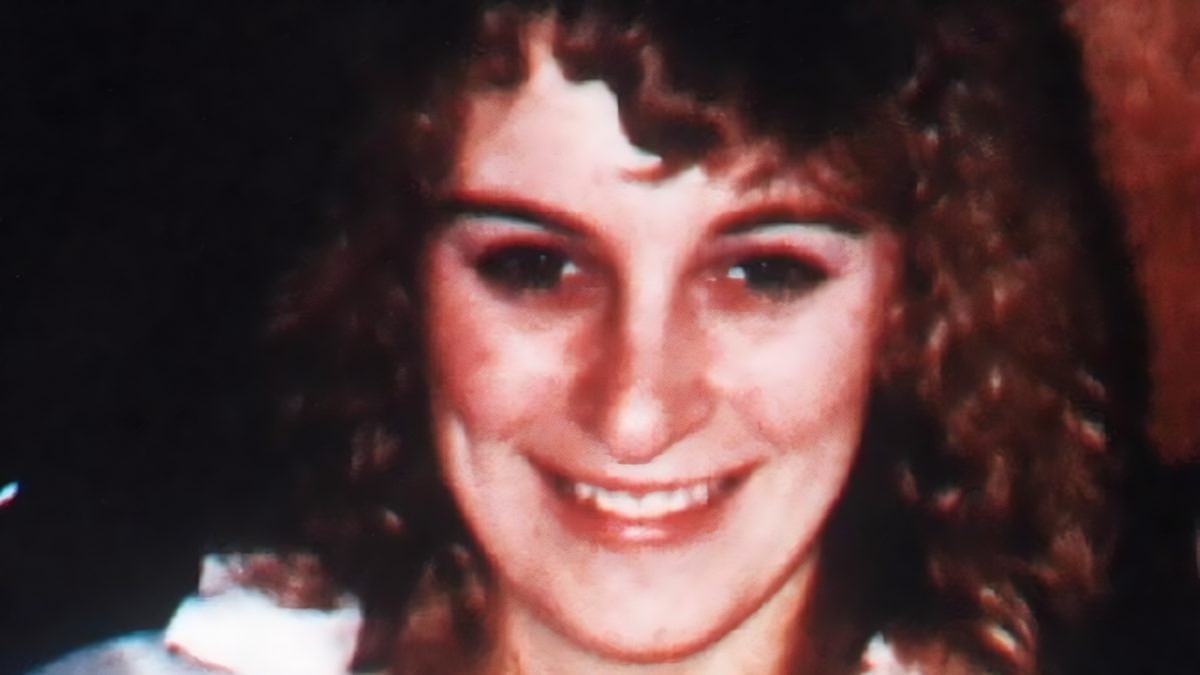
Janine Balding grew up in Wagga and was just 20 years old when she became the victim of a brutal crime. Photo: X/Twitter.
At last week’s hearings, the NSW Government lawyer initially wanted the case dismissed under Rule 13.4, which is used for matters deemed frivolous, vexatious or an abuse of process.
However, she later agreed to dismiss the matter by consent (agreement with Jamieson’s lawyer), with no reference made to the reason for doing so. No formal finding of frivolousness or abuse of process was made.
Ms Balding grew up in Wagga, where her brother still resides and where her parents lived until they died. At age 16, Janine moved to Sydney to work as a bank teller and was engaged to be married when she was killed.
Over the years, the Balding family has fought against repeated attempts to have those convicted of her murder released from jail.
Original Article published by Oliver Jacques on Region Riverina.