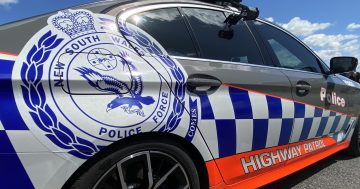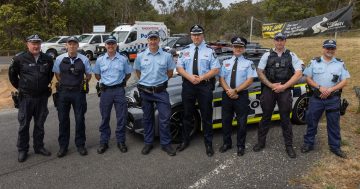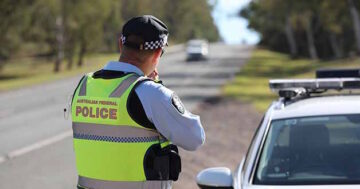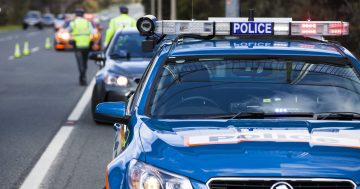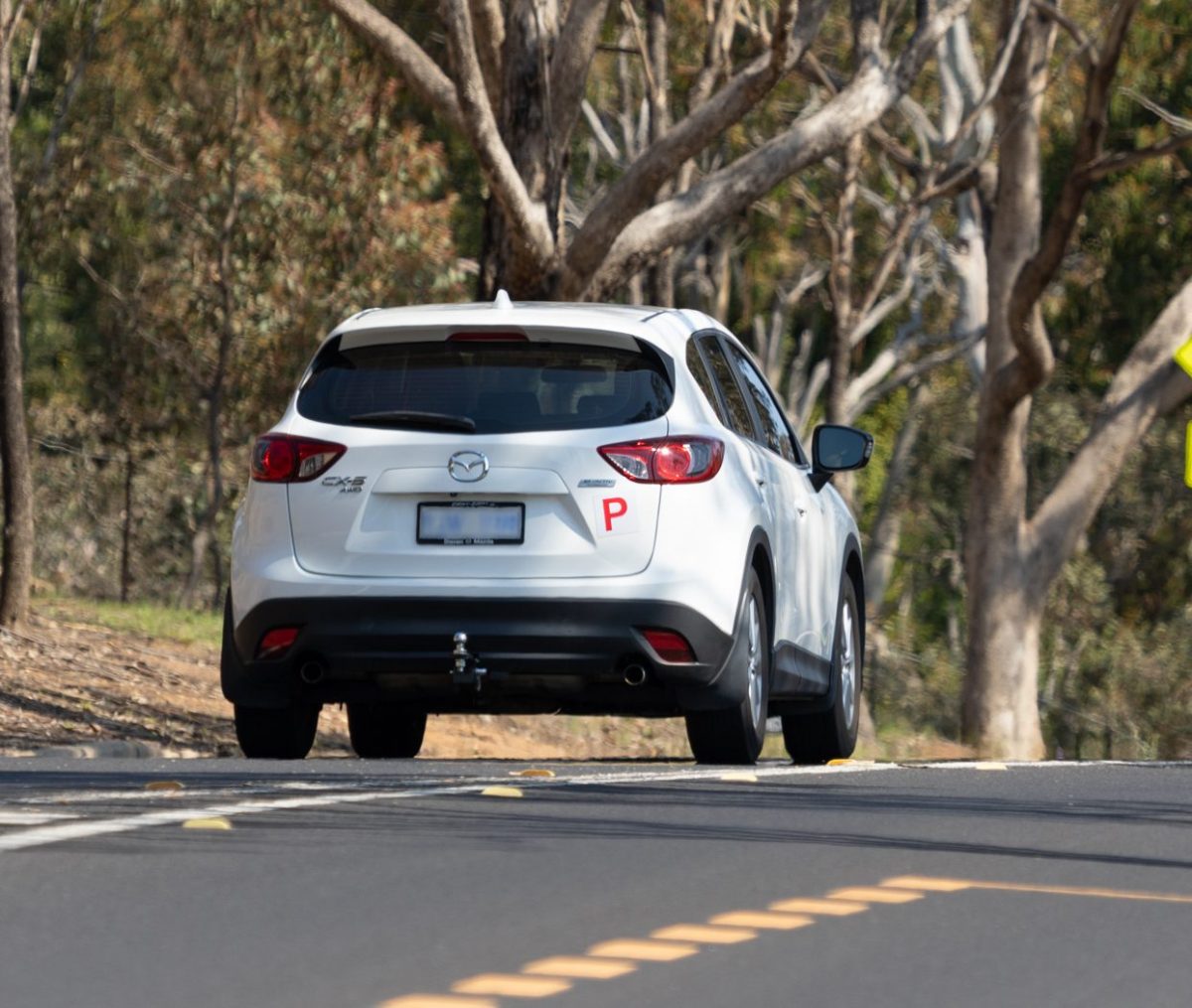
In southern NSW alone, more than 7500 infringements were issued over the holiday period. Photos: Michelle Kroll.
Drivers were “taking responsibility” and doing the right thing on regional roads over the holiday period, but police are urging them to stay road safe in 2026.
Over a 17-day period around Christmas and the new year, NSW police ran their annual statewide road traffic safety campaign.
The high-visibility operation, run in conjunction with the double-demerits period, began on 19 December and finished at midnight on Sunday (4 January).
Eight people lost their lives on NSW roads during the operation.
In total, NSW police officers conducted 29,302 random drug tests and 597,703 breath tests.
Across the state, police issued 40,875 Traffic Infringement Notices, with officers detecting 12,622 speed-related offences, 1200 mobile phone offences, and 669 seatbelt/helmet-related offences.
NSW Police Assistant Commissioner and Traffic and Highway Patrol Commander David Driver said speeding and driving under the influence remained common triggers of crashes.
“Again, we’re asking that everyone, when they drive their vehicles, to think about everyone else and understand the importance of getting to their destination safely,” he said.
“Concentrate on what you’re doing and don’t be distracted by anyone else in the vehicle or any devices in the vehicle.”
In the state’s south, NSW Police Far South Coast Highway Inspector Will Collins praised the behaviour of most motorists as they travelled around the region.
“Obviously, the traffic volumes have massively increased [over the holiday period] … But generally, as a whole, the behaviour of everyone on the road was good.”
The Southern Region (which takes in places such as Batemans Bay, Wagga Wagga, Wollongong, Young, Braidwood and Moruya) was the site of 170 major crashes during the operation.
There were no road deaths during the operation, though a woman died after two cars crashed near Narooma early on Monday morning (5 January).
Police issued 7571 infringements (including 3515 for speeding) and conducted more than 80,000 breath tests across the region.
More than 550 drug-driving tests came back positive, while 145 people were allegedly found to be drink driving.
Inspector Collins said it was a continuation of a trend local police had observed throughout 2025, with drug driving becoming increasingly common.
“It’s overtaken alcohol significantly … It’s now a significant factor in fatal and injury collisions across the entire state,” he said.
“In our area, we have noticed an increase in that.”
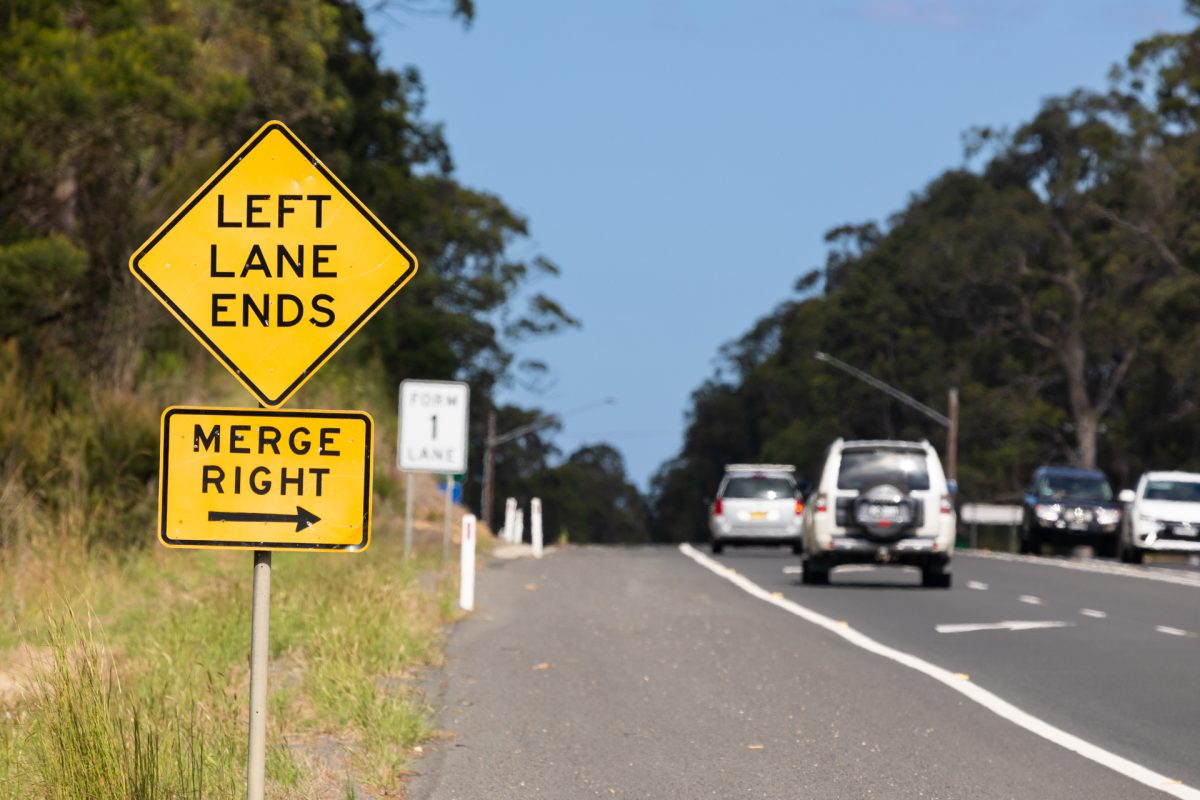
Coastal towns were packed as city folk sought a beach break over the holidays.
Inspector Collins believes safety messaging and increased police visibility are reminding people of the importance of doing the right thing behind the wheel.
“We’re still detecting significant speeding offences and significant alcohol levels in people that we are stopping, but across the board, everyone seemed to be doing the right thing, as a generalisation.
“I think a lot of people are taking responsibility for their own safety.”
Meanwhile, the Federal Government has announced a cash splash of almost $42 million to fix dangerous sites on NSW roads.
A total of 84 projects will share the money through the 2025-26 funding round of the Black Spot Program.
Among the NSW projects receiving funding are several from the state’s south-east.
Just over $600,000 has been awarded to Candelo Bega Road to provide retroreflective pavement markers and profile linemarking and other road surface upgrades.
About $500,000 will be allocated to part of Taralga Road at Goulburn, which will benefit from new signage (including vehicle-activated signs), a motorcycle underrun and profile linemarking.
In Capital Country, a stretch of Murrumbateman Road (from 100 m south of Broken Dam Creek to Dicks Road) will have new profile linemarking, signage and other upgrades.
Chair of the New South Wales Black Spot Consultative Panel, Federal Member for Gilmore Fiona Phillips, described the upgrades as “much-needed” improvements to road safety.
“These projects have been selected from nominations from those who know our local roads best — members of the public, local councils and road-user groups,” she said.
“These important works will make our roads safer for all road users.”
The projects are set to be delivered over a three-year period.