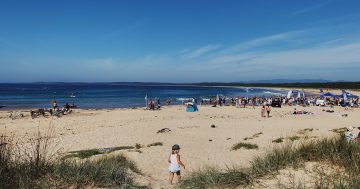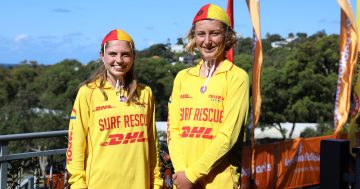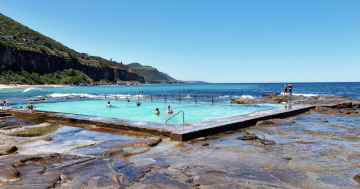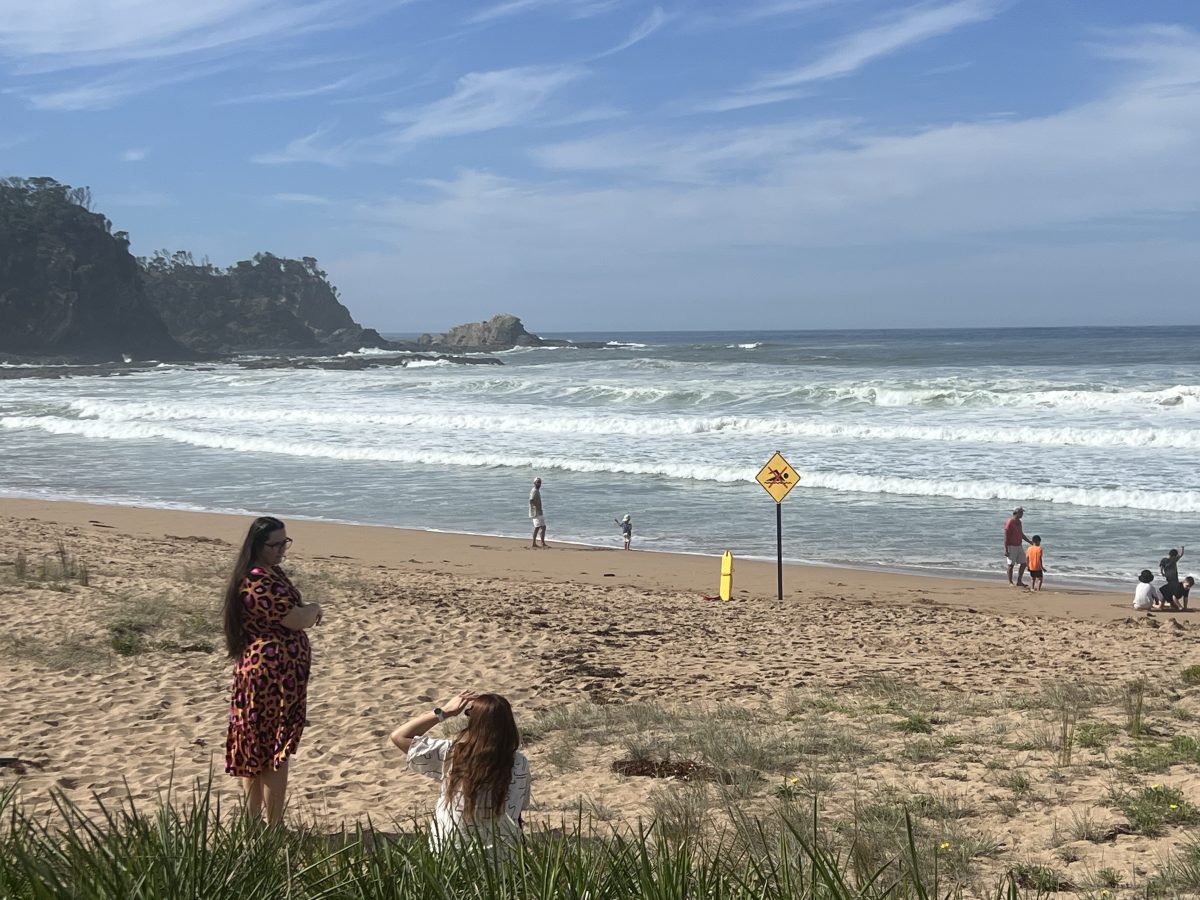
Lifesavers have urged swimmers to stay between the red and yellow flags at patrolled beaches and observe the signs. Photo: Kim Treasure.
Lifeguards say that while South Coast beachgoers were generally well-behaved over the Christmas-New Year break, there are still some worrying trends.
Surf Lifesaving NSW statistics reveal that since Christmas Day, the state’s volunteer lifesavers have carried out 195 rescues and more than 83,000 actions were taken to prevent a drowning or the need for a rescue.
At least 10 people have drowned since the start of summer, with this number increasing to 30 since the start of July 2025.
Most recently, two swimmers drowned in the Shoalhaven in a horror start to January.
South Coast Surf Lifesaving NSW branch president Shane Wicks said seemingly simple choices made by beachgoers could increase risks.
“The influx of tourists down to the South Coast this time of year always quadruples different areas’ populations and everyone’s flooding to the beaches that are patrolled,” he said.
“Those patrolled beaches get quite busy, so a lot of people look at going to more secluded areas. That’s where we found people getting into trouble.”
The red and yellow flags mark where lifesavers have determined people can swim safely.
According to the National Museum of Australia, the flags’ current colouring was introduced into Australia in the mid-twentieth century (before then, the flags were blue and white).
“In 1855 an International Code of Signals was introduced for ships at sea,” the website states.
“The letter ‘O’ signalled ‘man overboard’ and was represented by a red and yellow flag divided diagonally. This was probably the inspiration for the surf lifesaving flags introduced in 1935.”
But it turns out that they’re not always easily understood.
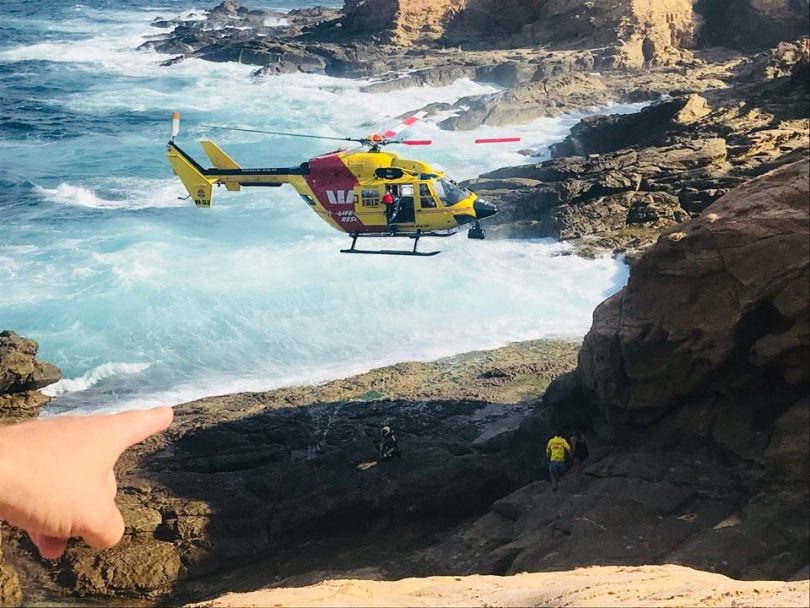
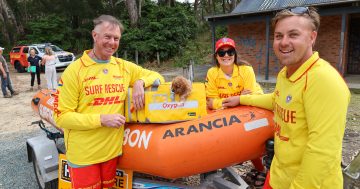
Lifesavers are urging people to swim between the red and yellow flags amid several drownings in recent months, as well as hazardous rescues. Photo: Surf Life Saving NSW.
A recent article in The Conversation says international students and overseas visitors can misinterpret what they mean, such as thinking the colours mean to stay away from that part of the beach.
“It comes down to a lot of different cultures and how they interpret different flags,” Mr Wicks says.
“Some countries have red for ‘dangerous’ … we just ask that when people do venture overseas or are coming from overseas that they do a bit of research [on beach safety signs].”
Mr Wicks urges people to consider swimming at a patrolled beach (even if it might be a little crowded) and to familiarise themselves with what signs are put up to mark safe waters.
“If they’ve got questions, ask the lifesavers or lifeguards that are on the beaches.
“They’re more than happy to pass on any safety tips and to help identify what an actual rip looks like … and if the waves at that beach are safe.
“They’re very happy to talk to people and help them before they get in trouble.”
Surf Life Saving NSW calls on all beachgoers to take simple steps to help keep themselves safe:
- Always swim between the red and yellow patrol flags
- Read the safety signs for information about the beach and ask a lifesaver or lifeguard for safety information
- Swim with someone else so you can look out for each other and always supervise children around the water
- Never swim under the influence of alcohol or drugs
- If you need help in the water, stay calm and attract attention by raising one arm
- In an emergency, dial Triple Zero (000)
- For information about patrol times, weather and beach locations, visit the Beachsafe Website or download the App.
Mr Wicks says that following these steps can make all the difference in preventing a tragedy.
“Unfortunately, because we’ve got such a vast coastline, we can’t cover every area perfectly … Sometimes it’s not as quick as we like, but our volunteers and our paid lifeguards and rescue services do a very good job of getting to people as quickly as they can.”
Original Article published by Claire Sams on Region Canberra.