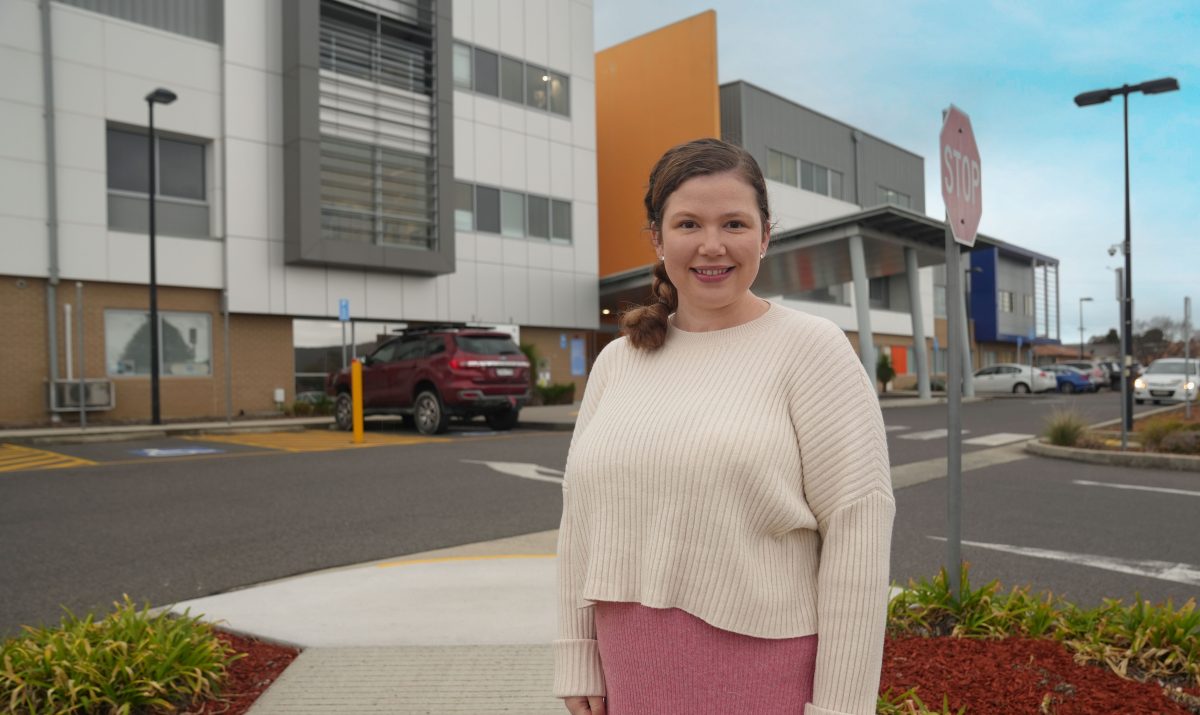
Midwife Alexandra Overton says many women find issues managing their asthma during their pregnancies — and a new study is focusing on them. Photo: Southern NSW Local Health District.
There are lots (and lots) of things to think about when you’re pregnant. For women with asthma, it can be an ongoing battle.
Queanbeyan Hospital is the first rural site to host the National Health and Medical Research Council-funded Treatable Traits in Pregnancy (TTAP) Study as it expands into the state’s south.
Midwife and the research clinician leading the Queanbeyan branch of the study, Alexandra Overton, said the researchers were looking through “a more holistic, dynamic” lens.
Ms Overton said the study started with one pilot location in 2024, before expanding to sites across NSW and Victoria.
“Queanbeyan, by far, is the most rural base of all the sites chosen … It just gives a bit of a different perspective into the research data and the statistics, to make it a bit more well rounded,” she said.
During the study, pregnant women will attend three visits to discuss how their ”treatable traits” (factors that might make someone’s symptoms worse) affect their asthma.
“The bulk majority of the study is a lot of questions around symptoms, their inhaler technique, giving them individualised feedback … [and] tracking along those three appointments to see if there’s any improvements or any deteriorations in the control of their asthma,” Ms Overton said.
“We can continually feed back to their GP if their asthma management plan needs a little bit of tweaking.”
During the appointments, breaking machines are used to test for inflammation and carbon monoxide levels, while participants’ lung capacity is also checked.
There are no changes to their usual maternity care.
Data at the Queanbeyan site has indicated a possible connection between asthma and hyperemesis gravidarum (severe nausea and vomiting during pregnancy), alongside its links to things such as reflux and anxiety.
“There’s a lot of crossover between the symptoms of those other, normal conditions of pregnancy and asthma,” Ms Overton said.
“It’s really about teasing those apart and seeing what the correlations are … We’re able to see over the course of the pregnancy.”
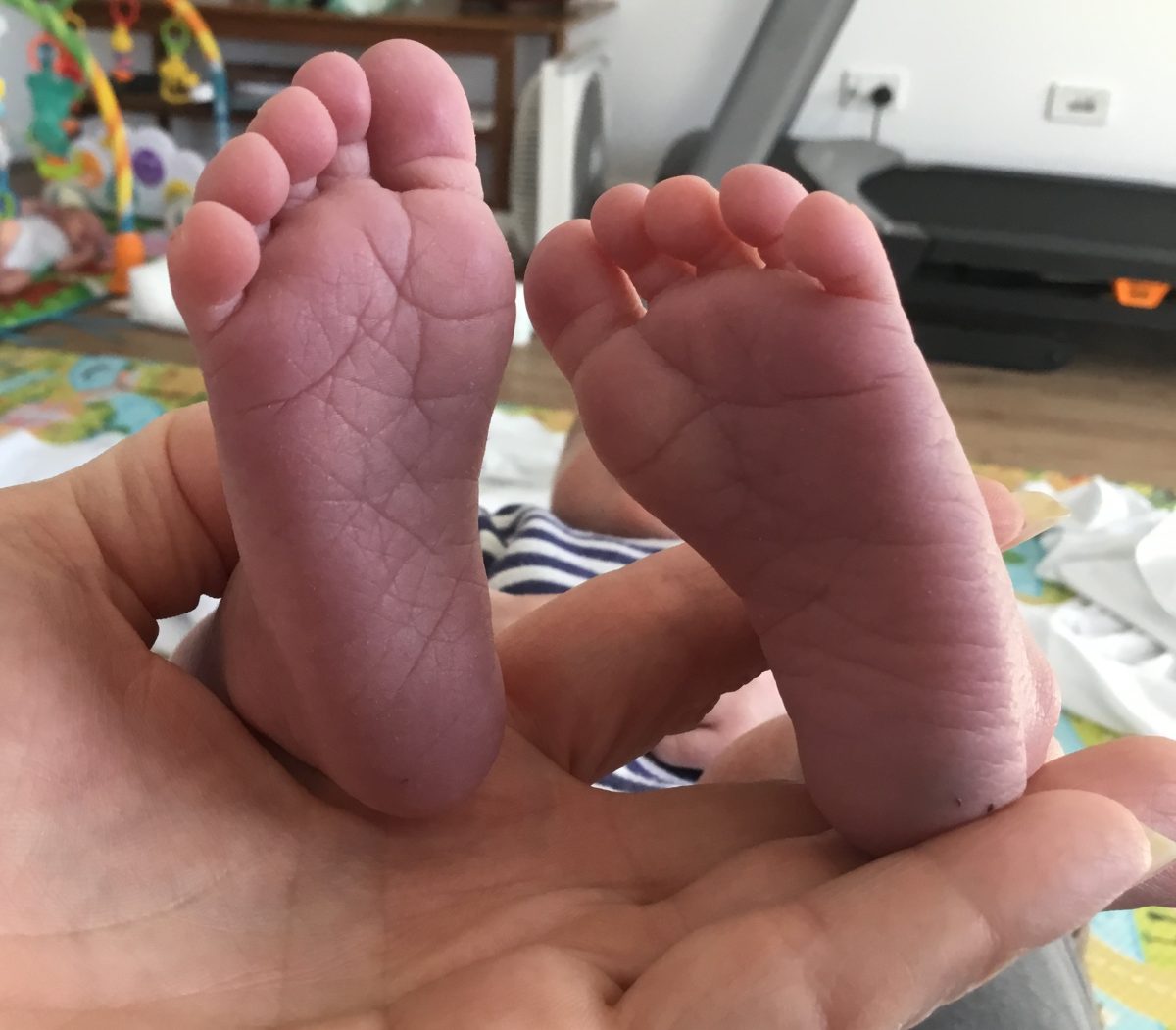
The study involves “extra TLC” for participants over three appointments. Photo: Claire Fenwicke.
Ms Overton said there were normally about 60 women each year who were receiving care at Queanbeyan Hospital for their pregnancies and had been diagnosed with asthma.
Some of those women needed ongoing management to limit adverse health outcomes.
“There’s a higher linkage to things like gestational diabetes, pre-eclampsia, growth restriction and premature birth, which we want to avoid,” Ms Overton said.
“Also, those babies and the generations onwards will be at a higher risk of atopic diseases like eczema and asthma, allergies … [This] is something that, if we can control well, manage well during pregnancy, the risks of all of those things are massively reduced.”
Ms Overton said it was important that smaller communities were involved in research and clinical trials.
“Often, a lot of these big studies are just focused on the cities,” she said.
“While that’s great, it can sometimes miss, I think, a lot of those nuances that are really important to be picking up in those more rural and regional communities.”
Anyone interested in taking part in the study can contact the research team by calling 0407 424 711 or emailing alexandramarie.reynolds @health.nsw.gov.au. This stage of the study ends in March 2027.