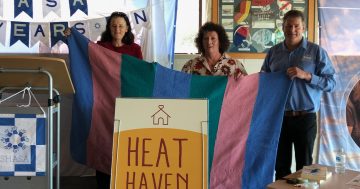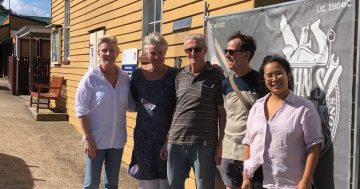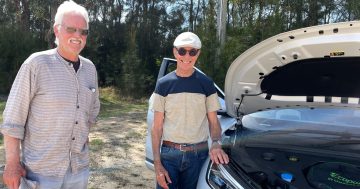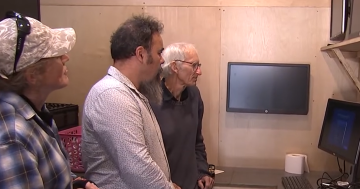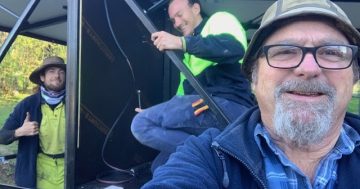
Almost 10 havens operate across Eurobodalla Shire, with several more in the works. Photo: Kathryn Maxwell.
As the mercury neared 40 degrees last week, Kylie Heffernan sprang into action.
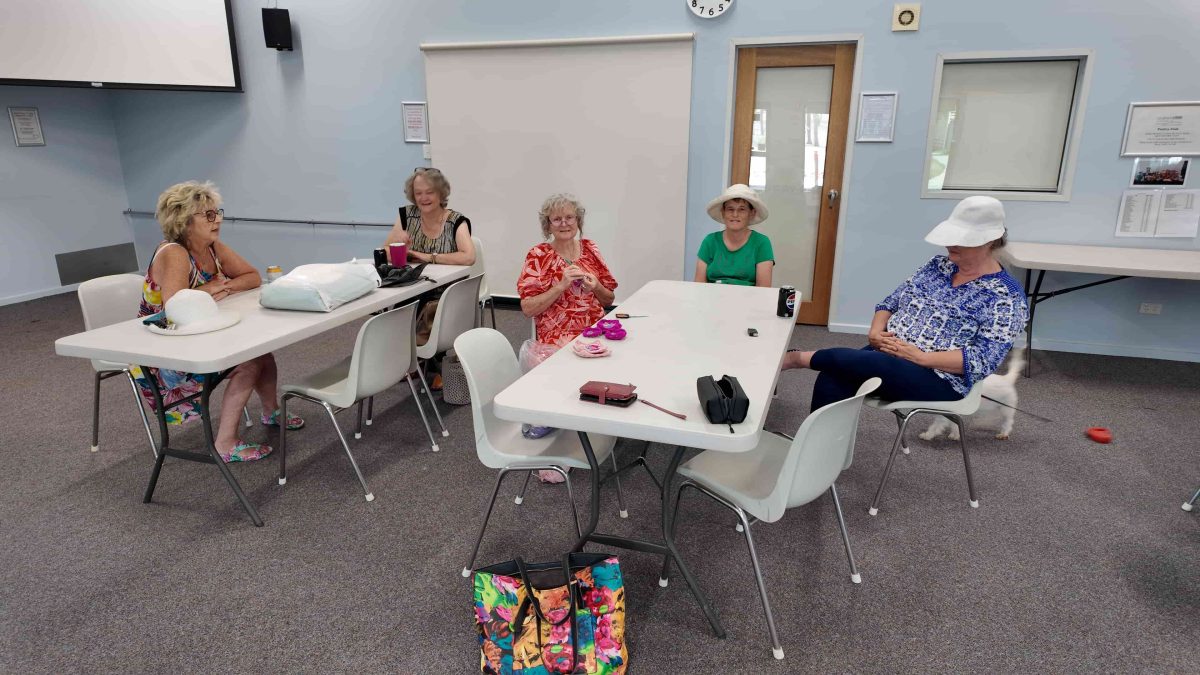
The Moruya CWA president decided to open the doors to its hall, which doubles as a safe space for the community.
Almost a decade ago, the hall was outfitted with a solar system, a back-up generator, air filters and other upgrades.
The upgrades were part of a Southcoast Health and Sustainability Alliance (SHASA) initiative, which has seen community organisations, schools and churches across Eurobodalla Shire transformed into heatwave and bushfire havens.
“I had a member contact me; she said to me, ‘Kylie, I think we should open, it’s going to be a hot day’,” she told Region.
“She said she’d be willing to do it and I said that I’d come over when I finish work.”
SHASA retrofits sites with sustainability measures, with the infrastructure and upgrades funded through government grants.
Havens have opened in Moruya, Narooma and Catalina, with several more underway around the region.
Moruya CWA opened its doors to the public on Thursday and Saturday, giving people a chance to escape the heatwave.
Ms Heffernan estimated around 20 people visited across the two days.
“We did have a lot of people come in after lunch who said they were camping in Moruya, and it was just too hot,” she said.
It was the first time the havens had operated during extreme heat.
While they were still collecting data, SHASA president Kathryn Maxwell said the havens were well utilised with “a couple dozen” visitors and an “excellent” volunteer turnout.
She said the havens were created, in part, because a lot of coastal residents and visitors didn’t understand how dangerous extreme heat could be.
“Historically, our region has not had these heatwaves. The level of literacy on the coast is very low … We’ve just got to raise a lot of awareness.”
Ms Maxwell said helping kit out the havens with the added resources meant they could help prevent the effects of extreme (and prolonged) heat.
“The idea of going into a heatwave haven [is that having a] break in the heat will help you. It’s the long exposure to high temperatures that causes the damage,” she said.
“Coming in, even for one day or a couple of hours, is going to help.”
In a world where warmer weather is becoming increasingly common, Ms Maxwell said communities needed to be prepared for its impacts – including on people.
“The main reason is that it doesn’t happen instantly,” she said.
“If you don’t notice the signs, you can be in dire straits … but by that point, the heat has done its damage.”
Some populations, such as renters without access to air-conditioning or people in insecure housing, can be particularly affected by the hot conditions.
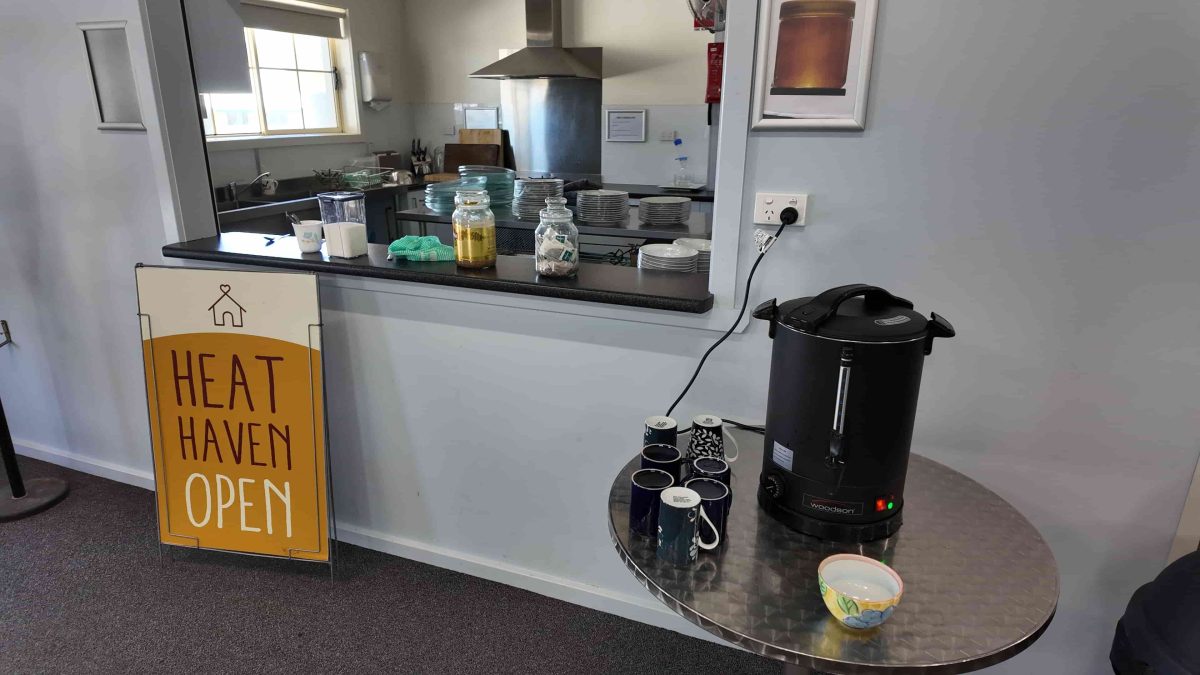
One South Coast organisation says more work is needed to spread the word about safe spaces during natural disasters and heatwaves. Photo: Kathryn Maxwell.
She also confirmed SHASA was reviewing how the havens were used, and any changes that could be needed (especially for the remainder of summer).
“Our expectation is that all of them would open during a bushfire,” she said.
“There’s an understanding that demand for services would [increase because of the] dual effects of heat and smoke.”
If they need to be utilised during a bushfire, filters would be used to manage the “horrendous” effects of long-term exposure to any smoke in the air.
SHASA’s next goal is to spread the word about the havens, while part of its next newsletter will be dedicated to advice on managing heat.
But Ms Maxwell knows the hot conditions will return eventually.
“It’s a new reality, and I think a lot of people moved down to the coast in the hope – I certainly did – that you’d avoid the worst of it … It is [cooler] most of the time, we don’t get weeks and weeks of heat,” she said.
“But these temps were pretty much on par with temperatures in Sydney.”
For Ms Heffernan, having a haven in her community means there is always somewhere people in need can visit.
“It was a nice opportunity for them to come in, have a rest, bring their dog in … You start talking to them and ask where they’ve been travelling, if they live locally, what their dog’s name is,” she said.
“You get a conversation going – they don’t feel like they’re in your road. You talk to them and make them feel welcome.”