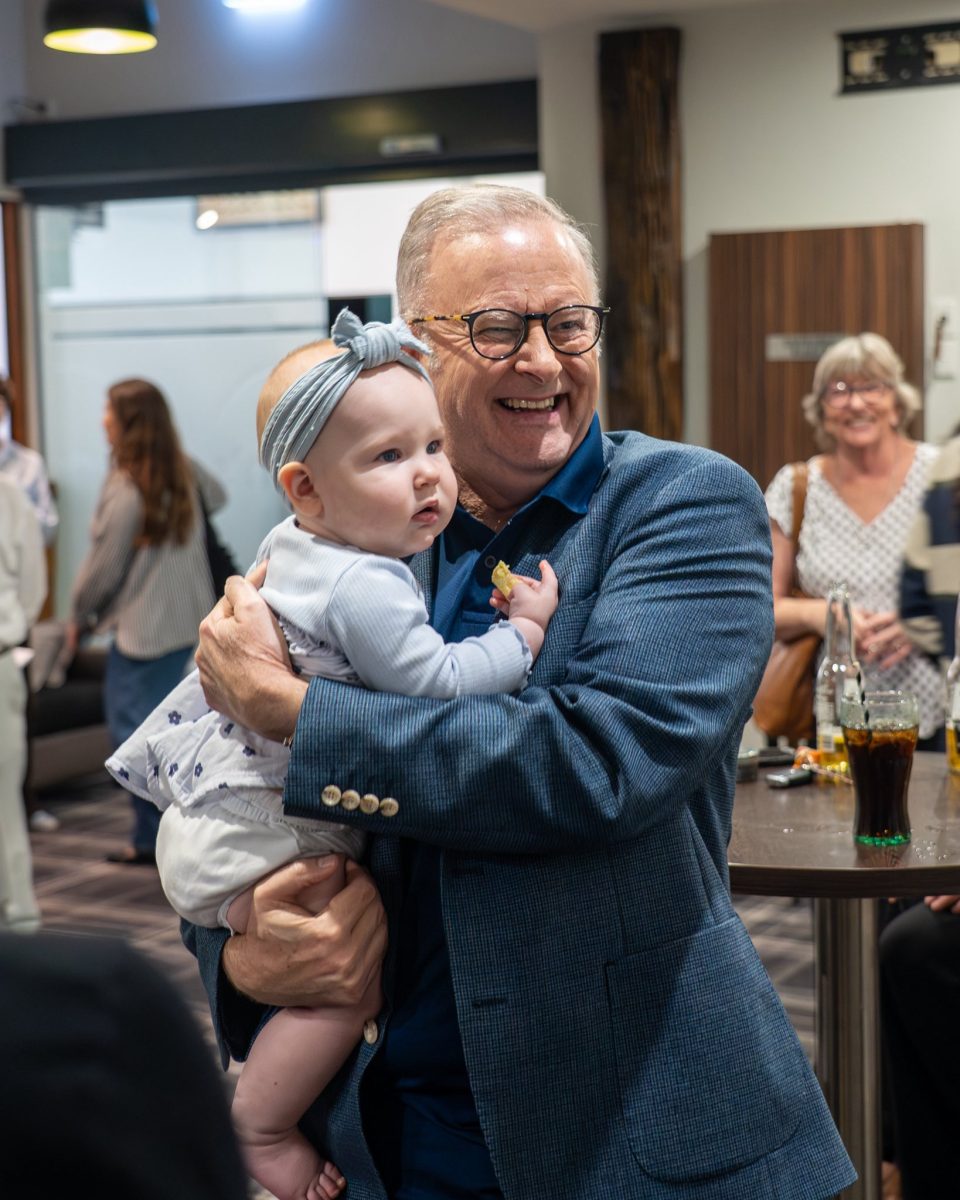
Anthony Albanese greets a baby at an Albury pub. Photo: Anthony Albanese Facebook.
Prime Minister Anthony Albanese has dismissed a proposal to force GPs to serve time in a rural area before they can be eligible for taxpayer subsidies in a city-based practice.
One Nation recruit Barnaby Joyce said doctors should not be able to participate in Medicare bulk billing (when doctors’ fees are paid by the government) unless they first spend a period of time practising in rural and regional areas.
This proposal has been floated many times over the past 40 years, including by Dr Bob Birrell of the NSW Farmers Association in 1998. Its aim is to redress the imbalance in Australia – encouraging them to move from overserviced areas such as inner Melbourne and Sydney towards small towns, where there is a chronic doctor shortage.
“That’s an extraordinary proposition from Barnaby Joyce, and it’s just an example of when people look at One Nation’s policies, and it’s not clear if that’s Barnaby Joyce’s policy, or is it Pauline Hanson’s policy, or is it One Nation’s policy?” Mr Albanese said at a press conference in Albury on Monday (23 February).
“But the idea – we want more people to have bulk billing, not less.”
Wagga MP Dr Joe McGirr, who worked in health for more than 30 years, was more positive about the idea, though unsure about how it would be implemented.
“I’m heartened to hear Barnaby talk about this – he’s on the money. It’s the number one issue in my Rural Health Action Plan,” Dr McGirr said.
“The problem with those changes to Medicare that people have talked about in the past is whether they can be brought in legally … it could amount to some form of civil conscription.
“It’s a stick approach and we need both sticks and carrots as you want doctors in these areas who want to be here … but it’s great to see this issue on the front page.”
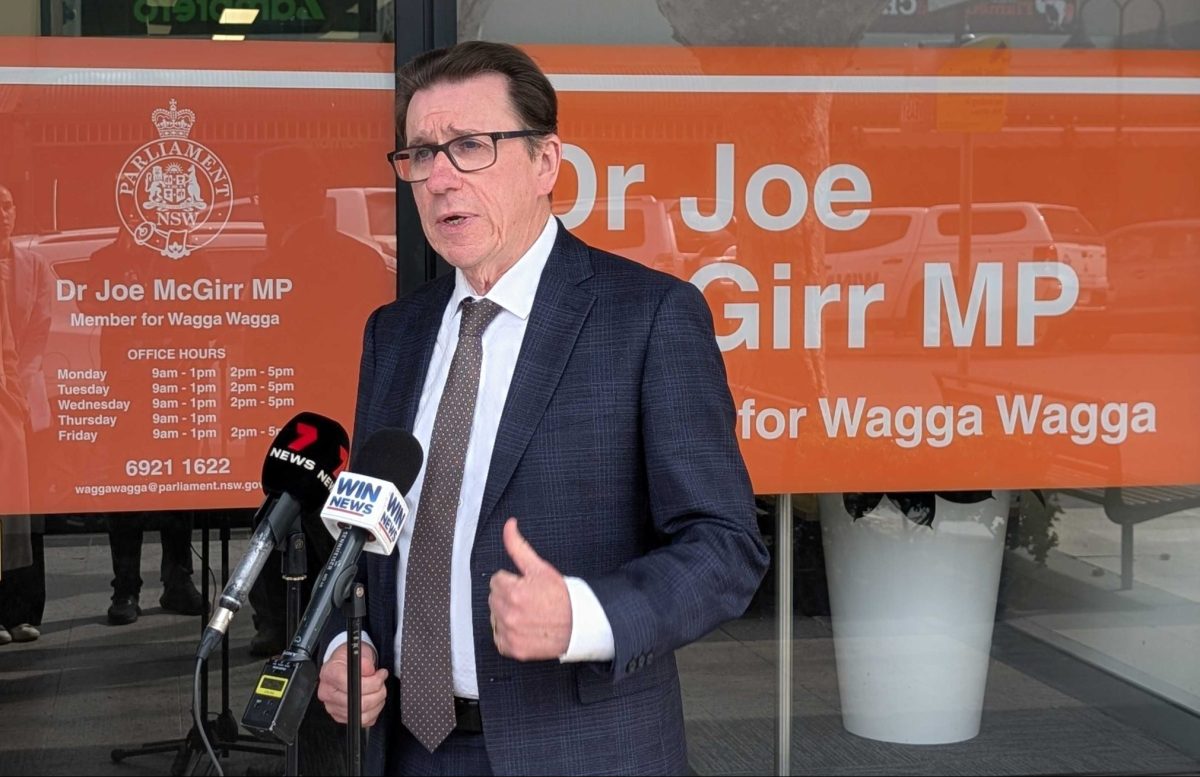
Dr Joe McGirr is happy to see the rural doctor shortage being debated. Photo: Jarryd Rowley.
Richard Moffatt, a National Party member and Wagga-based CEO of Can Assist, said he wanted more carrots and fewer sticks.
“The regions are struggling to attract medical professionals, but rather than stopping them from getting into the Medicare system, I’d prefer to use an incentives approach,” he said.
“We could be offering tax breaks to those who want to work here – there could be a lower tax rate for doctors who choose to come to regional towns compared to those who work in metropolitan areas.”
Mr Moffatt said we also needed to incentivise more country kids to become doctors.
“If we are training regional kids to become doctors, the regional lifestyle is in their blood and they’re more likely to stay,” he said.
“The government has tools at their disposal to help regional kids into university and to help cover the costs of studying away from home.”
Mr Albanese was in Albury to mark the opening of a federal government-funded urgent care clinic, which provides after-hours medical assistance for non-emergency treatment.
However, journalists who questioned him at the press conference also suggested his visit could have something to do with the upcoming Farrer by-election, which is set to be announced once Liberal leader Sussan Ley resigns from parliament.
The Prime Minister said Labor had not decided whether it would run a candidate in the seat – which it has never won. He said Coalition parties needed to come clean on whether they would give preferences to One Nation on their voting card.
“They can’t just be One Nation lite, coming up with similar policies to One Nation. They need to be responsible going forward. John Howard always put One Nation last on the how-to-vote of the Liberal Party. We’ll wait and see what decisions Angus Taylor and David Littleproud are prepared to make,” he said.
Original Article published by Oliver Jacques on Region Riverina.