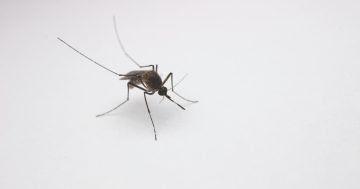
The virus can bring on serious neurological effects and even be deadly. Photo: NSW Health.
A potentially fatal neurological illness is circulating through parts of southern NSW, with authorities urging protection measures.
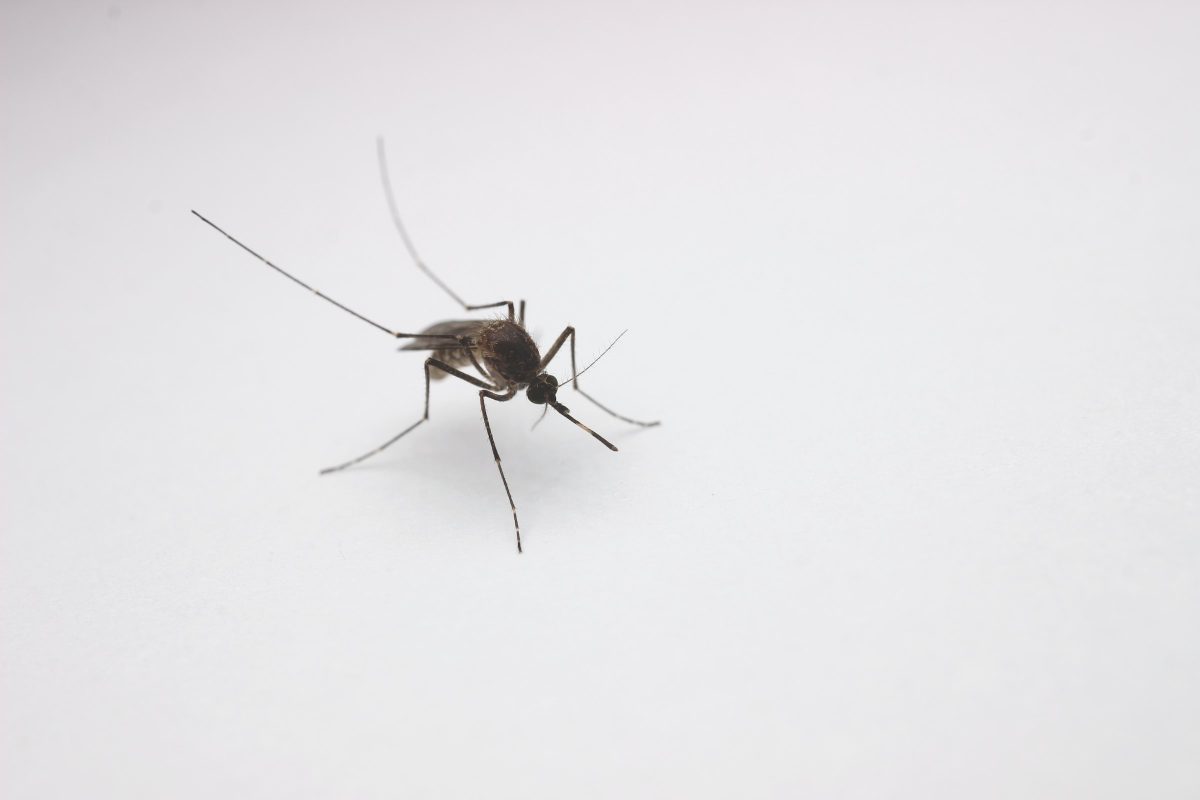
Japanese encephalitis (JE) is a rare but serious illness spread by infected mosquitoes. It cannot be transmitted directly between humans or from any other animal.
A probable case involving a man in his 60s, who was likely exposed to the virus in the Riverina region in late December 2025, is being investigated.
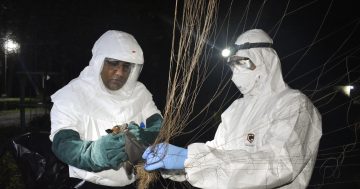
JE was also detected in early January in a blood sample from a sentinel chicken near Goulburn.
The chickens are tested regularly to provide early warnings about the presence of mosquito-borne viruses, putting them on the frontline in our fight against them.
The detection means the virus is likely circulating through the area.
JE can cause severe neurological illness that can cause headache, confusion, convulsions and reduced consciousness.
Several people have died from JE, including two men from northern Sydney and Canberra, who died in early 2025 after likely contracting the virus while on holidays in the Murrumbidgee area.
Director of Public Health for the Murrumbidgee and Southern NSW Local Health Districts Alison Nikitas said anyone living or working in high-risk areas for JE should take steps to protect themselves.
“There is no specific treatment for JE so it is very important for people who live in or travel to these areas to be aware of the elevated risk,” she said.
“Importantly, there is a safe, effective vaccine to protect against JE virus which is free to anyone who lives or routinely works in various inland regions as well as for people who work in some other high-risk occupations.”
According to the NSW Health website, the local government areas of high concern span much of the state, including Cootamundra-Gundagai, Leeton, Goulburn Mulwaree, Greater Hume, Griffith, Hay, Hilltops, Junee, Upper Lachlan and Wagga Wagga.
Information on eligibility for the free JE vaccine is available online.
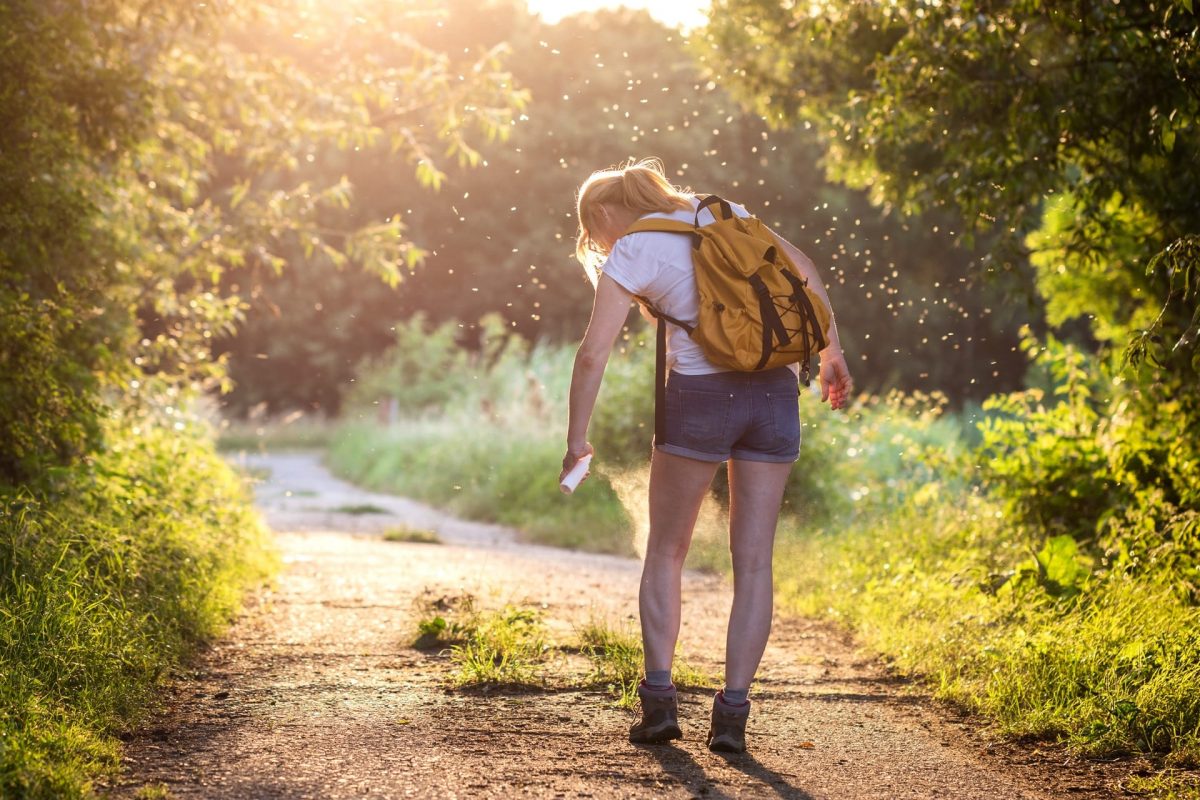
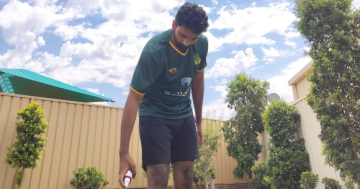
People are being called on to take steps to limit mosquito bites and seek a vaccination. Photo: Zbynek Pospisil.
The JE vaccine is available through general practitioners, Aboriginal health services and pharmacists.
People who meet the eligibility criteria for vaccination should make an appointment with their GP, Aboriginal Medical Service or pharmacy and let the provider know they want the JE vaccine.
This is because the provider may need to order the vaccine, which can take several days.
A booster dose may be recommended for some people.
Those who have been vaccinated more than a year ago should discuss whether they need one with their healthcare provider.
You can also prevent mosquito bites by:
- Applying repellent to exposed skin, using repellents that contains DEET, picaridin or oil of lemon eucalyptus
- Reapplying repellent regularly (with sunscreen used first and then the repellent)
- Wearing light, loose-fitting long-sleeve shirts, long pants, socks and covered footwear
- Staying inside during peak mosquito times (especially dawn and dusk)
- Using insecticide sprays, vapour dispensing units and mosquito coils to repel mosquitoes (with mosquito coils only to be used outdoors in well-ventilated areas)
- Covering windows and doors with insect screens and checking that there are no gaps
- Removing items that may collect water from your home, reducing the places where mosquitoes can breed
- Protecting infants aged less than three months by using an infant carrier draped with mosquito netting that is secured along the edges
- While camping, sleeping under a mosquito net or using a tent that has fly screens to prevent mosquitoes entering.
More information on mosquito-borne diseases and how people can protect themselves and their families is available on the NSW Health website.