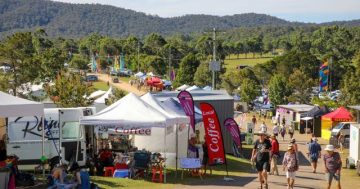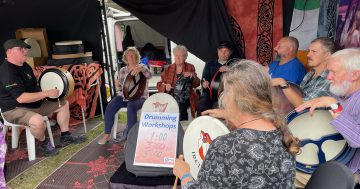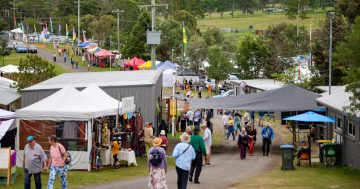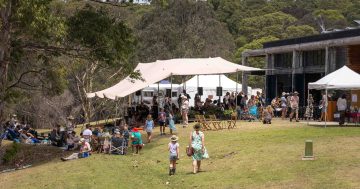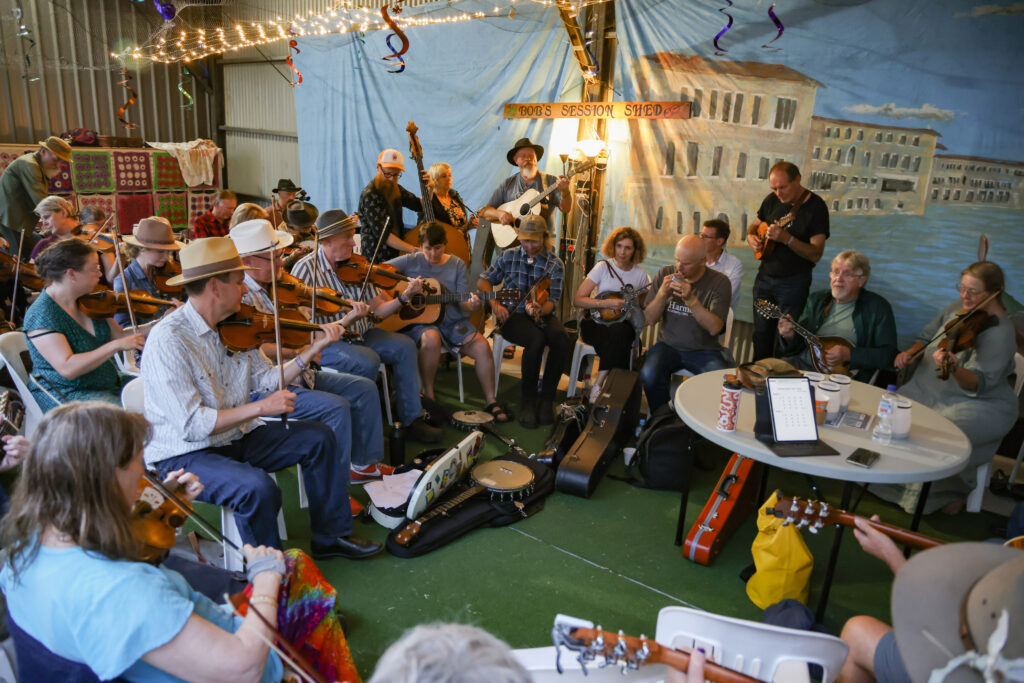
Although the Cobargo Folk Festival received funding last year for a new fringe festival, it must fund it itself in 2026 because it isn’t a new project. Photo: Cobargo Folk Festival.
Australia’s music industry in regional and remote areas needs support.
Across the country, festivals and venues are closing, while musicians are finding it increasingly difficult to perform and grow their audiences amid cost-of-living pressures.
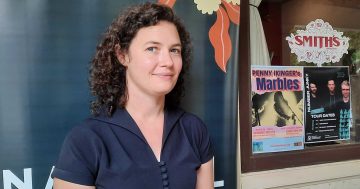
Cobargo Folk Festival director Zena Armstrong was invited by Music NSW to attend a workshop that was part of the 2025 Regional and Remote Music Summit held in July.
The one-day workshop explored the challenges the music industry in regional and remote NSW has faced since COVID-19, the causes, the long-term implications and what could be done to bolster it.
Ms Armstrong said regional musicians were finding it harder than ever to reach audiences.
“People are prepared to pay huge amounts to see big international acts like Lady Gaga and Taylor Swift, but it is much harder to get people out the door to see a local musician,” she said.
Nor do social media algorithms support regional Australian content.
“Australian artists are seriously underrepresented on social media, which isn’t working in favour of our own, original artists,” Ms Armstrong said.
Those artists also struggle to feature in radio airtime.
“Much of radio is pre-programmed and audiences seem to only want to hear from international celebrities or golden oldies, even on local radio stations,” Ms Armstrong said.

Robyn and Sam Martin performing at Navigate Arts in Tanja. Photo: Marcus Ward Curran.
Candelo-based musician Sam Martin plays in several bands and manages his own venue, Sam’s Caravan.
He said one of the toughest things to do was tour regional areas.
“It can be a challenge to draw local audiences to see artists that don’t have a known profile,” Mr Martin said.
“The cost of regional touring has become more expensive and revenue is down for artists due to the influx of streaming music rather than buying albums directly from the performers.”
Yet music is a great way to bring people together.
“You can come from any political or cultural background, turn up at one of our regional events and be exposed to a massive variety of experiences and even get involved,” Mr Martin said.
Ms Armstrong said governments were starting to recognise the value of regional, community-run festivals in creating opportunities for regional musicians who are telling real Australian stories.
Events such as the Cobargo Folk Festival provide opportunities for musicians to perform in front of an audience, and bring people together in authentic situations.
“At the Cobargo Folk Festival there is very little separating the performer and the audience. It is simple, lovely and honest,” Ms Armstrong said.
“Preserving and expanding these opportunities and live interactions will become even more important for us as artificial intelligence starts dominating other parts of our life.”
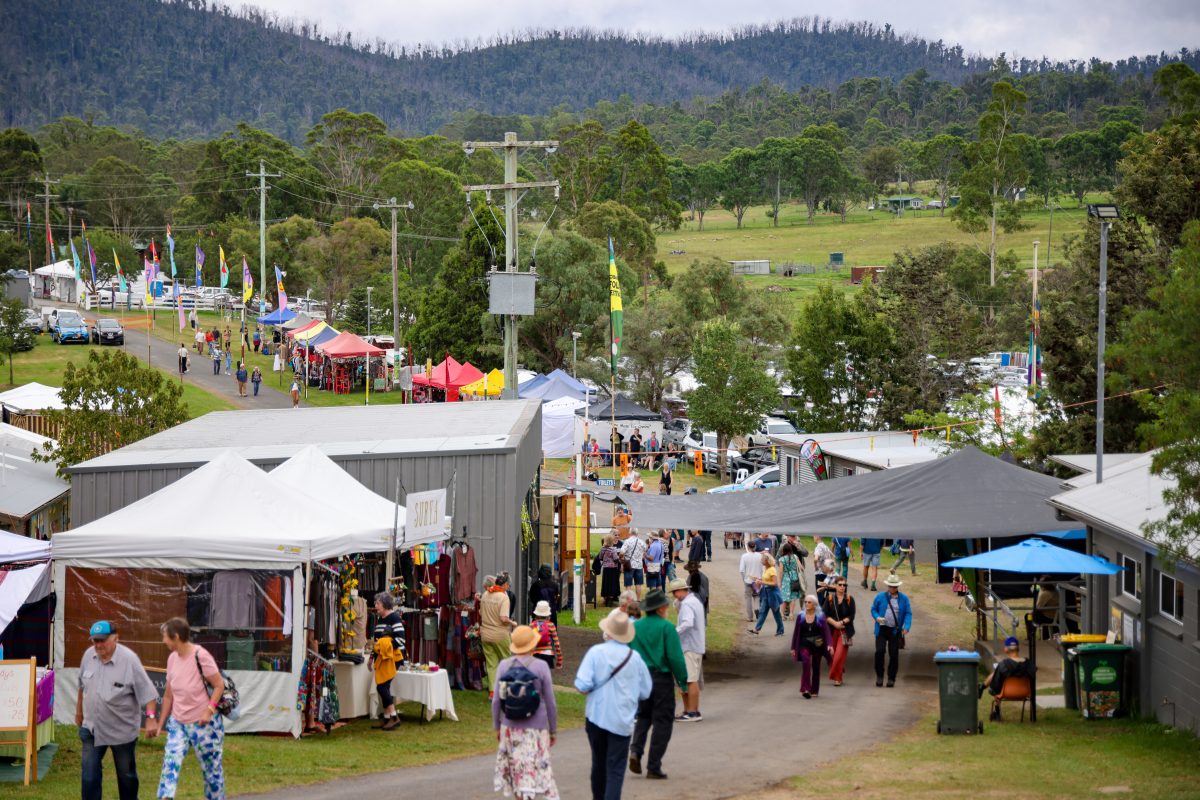
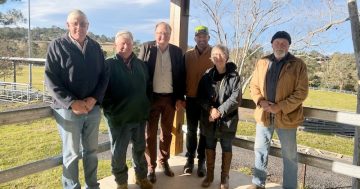
Ideally, events such as the Cobargo Folk Festival should have multi-year operational funding. Photo: Supplied.
Ms Armstrong said the roundtable was an opportunity for regional organisers to tell governments about the value of festivals.
“Governments are starting to understand there is an ecosystem of regional festivals and festival organisers who are actively supporting regional artists, as well as building community connectedness,” she said.
Ms Armstrong wants smaller festivals such as Cobargo’s, with a track record of financial success, to have multi-year operational funding. That would enable them to employ the administrative support needed to relieve the growing, year-round burden on volunteers to meet the complex compliance requirements of councils, insurance and government.
Currently, most grants are on a project-by-project basis. So, while the Cobargo Folk Festival received funding last year for a new fringe festival, it must fund it itself in 2026 because it isn’t a new project.
“There have to be some changes in the way governments choose to fund events that are longstanding and successful,” Ms Armstrong said.
She said we needed to hear our own stories to understand our place in the world.
“To ensure those stories are told, we must support the people telling those stories,” she said.
Mr Martin said people wanted the real-life connections that social media streaming or YouTube didn’t offer.
“It isn’t the same as being in a room with people who are moved to tears by a song, so we need to support those organisations that continue to supply great performance experiences.”