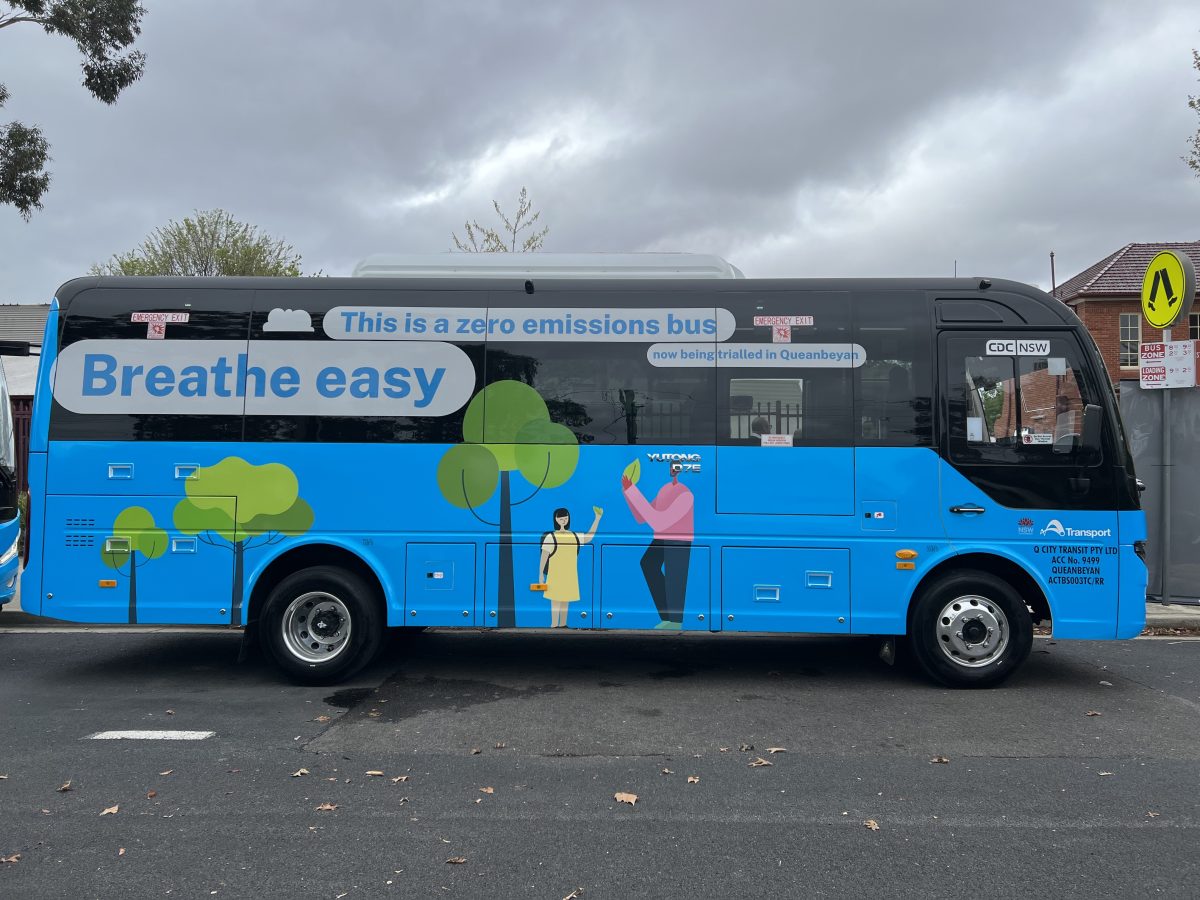
Transport for NSW estimates the switch will save 800,000 tonnes in emissions each year. Photo: Claire Sams.
NSW’s public transport network will be powered by renewable energy from mid-2027.
It is the first time the state’s public transport operations will be powered under a single supply deal.
As the successful bidder, Snowy Energy – the retail brand of Snowy Hydro – won the contract after a two-year review and tender process.
Previously, agencies such as Sydney Metro and Sydney Trains negotiated their own electricity supply contracts.
Transport for NSW (TfNSW) secretary Josh Murray said the switch consolidated those operations – and their costs.
The $1.9 billion contract will save the state $130 million, the agency says.
According to the notice on the NSW Government’s procurement website, the contract will run for seven years – with three optional one-year extensions.
It involves the supply of electricity and renewable certificates to TfNSW, Sydney Trains and Sydney Metro and will start from 1 July 2027.
It’s expected the switch will avoid the equivalent of more than 800,000 tonnes of CO2 each year.
Snowy Hydro CEO Dennis Barnes said the contract showed demand for renewable energy was growing.
“There has been growing interest from businesses and government agencies across the country that are looking for innovative ways to decarbonise their operations,” he said.
“Transport for NSW is a large energy user and they are leading the way in their efforts to reduce emissions.”
He said TfNSW had developed a tailored approach and secured long-term renewable matched energy from renewable projects such as the Uungula Wind Farm near Dubbo.
NSW Minister for Transport John Graham said the change would bring environmental benefits and support a more reliable public transport network.
“Transport uses almost as much electricity as all other government agencies in NSW combined. It’s important we use our buying power responsibly and get the best possible deal for taxpayers, which is what we have achieved.
“We are planning for a sustainable future as our network continues to grow, with new Sydney Trains fleets, more metro services, thousands of emissions-free buses, and light rail across the city and Parramatta.”
TfNSW has set the goal of reducing operational emissions by 65 per cent by 2030.
It then aims to reach net-zero emissions from its fleet and operations by 2035.
“By transitioning our passenger train network and operations to renewable electricity, we’re on track to reach our goal of net zero emissions by 2050,” its website states.