The council has agreed on an amended roads policy. Photo: Kazuri Photography.
A southern NSW council has a new policy driving its upkeep and maintenance schedule for unsealed roads, almost a year after the process to update it began.
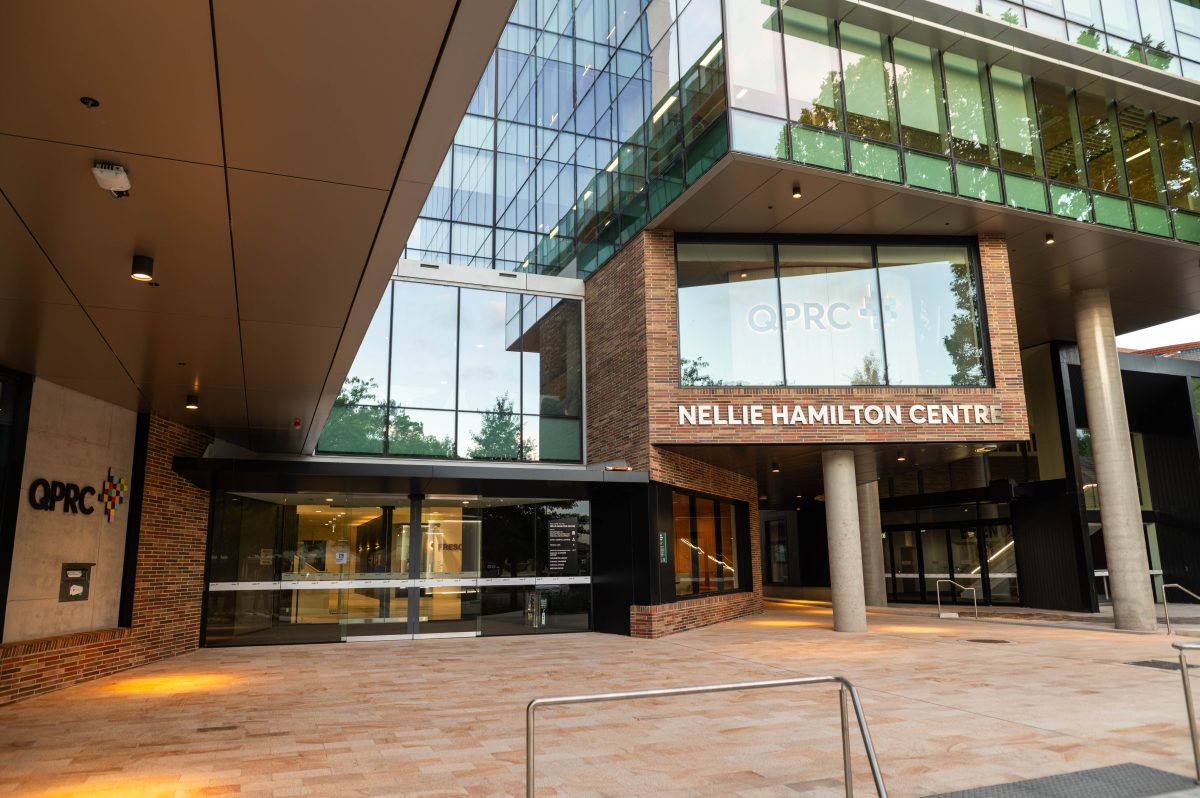
Queanbeyan-Palerang Regional Council (QPRC) has to manage a significant length of unsealed public roads because of legislative requirements, with one council estimate totalling more than 1900 km of roads.
A revised policy for their upkeep was put out for community consultation in October 2025.
However, councillors decided to seek a second round of feedback.
At an extraordinary meeting of council, they agreed to pass an amended version of the Unsealed Council Road Policy.
During discussion, councillor Ross McDonald said concerns had been raised over an earlier version of the policy in 2022.
He said he was hopeful this updated version provided a way for the council to step in and fix roads that “are in many instances, impassable”.
“The question that really kicked this off was that of the legitimacy of our previous policy … I contended that there were risks with how it applied and how that policy, in effect, absolved council from doing anything.
“Not only did it absolve council from reactive or proactive maintenance, it restricted council to not undertaking any of those works.”
The latest version of the policy uses the terms ‘scheduled roads’ and ‘unscheduled roads’.
“Scheduled roads replace the previous maintained road categories three to nine without a fundamental change to the existing framework,” the council papers state.
An unscheduled road is described as an unsealed council road that doesn’t see routine maintenance (though the council could step in if hazards or damage are detected).
A staff member also said that a list of roads in each category would be published on the council’s website at set intervals.
Councillors also heard that the process to reclassify a road began when a request was made by the public.
According to the policy, the average daily traffic volume is used to determine how often the scheduled roads are inspected and graded.
This means that depending on the category, the roadworks would be carried out at intervals ranging from once a month to every three years.
The staff member said QPRC had about 25 traffic counters, which were used to assess traffic volume at around 10 sites a week.
“We keep a couple up our sleeves in case there’s an urgent need to go out and do something on demand,” he told the meeting.
Councillor Katrina Willis said that while she considered the latest policy an improvement over the previous document, councillors needed to balance how their limited funds were spent.
“I think it would be preferable [that the roads become maintained roads].
“However, council has constrained resources … What’s the solution? Well, more funding. But I don’t believe there are easy funds to redirect.”
She also said that QPRC should carefully consider approving further rural residential developments near roads that didn’t meet the council’s minimum standards.
The council papers also note the budget for unsealed road resheeting has been increased to $1 million, and a dedicated maintenance team has been created for rural roads.