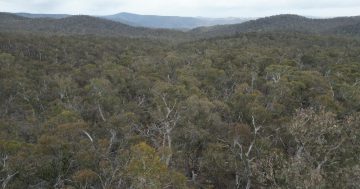
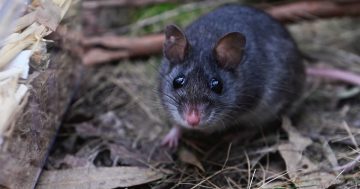
The proposal to create a combined protected area aims to create greater conservation opportunities for wildlife habitats and cultural landscapes. Photo: David Gallan NPA.
Conservation groups are calling for the connection of state and national parks and nature reserves from the Illawarra to the Victorian border in a bid to better protect the region’s forests, wildlife habitats, water catchments and cultural landscapes.
The ‘Great Southern Forest’ is proposed by the National Parks Association of NSW (NPA) and would see the reclassification of about 365,000 hectares of State Forest into permanent protected areas, to be combined with the region’s existing 824,000 hectares of national parks and nature reserves along the South Coast.
“Right now, native forests in southern NSW are being logged at an industrial scale, primarily for woodchips, putting our unique ecosystems and wildlife at risk,” NPA president Liz Jeremy said.
“The Great Southern Forest is once-in-a-generation alternative that could reverse the fate of these forests and see them thrive again.
“Stretching from the Illawarra to the Victorian border, the proposal would bring together 55 state forests, 24 flora reserves and 98 existing national parks and reserves into one of Australia’s largest connected conservation landscapes.”
The proposal calls for the new park, which would stretch from Budderoo National Park in the north to Nadgee Nature Reserve in the south, to be managed as a unified ecological system, prioritising biodiversity conservation, climate resilience, cultural heritage, and community benefit; for all native forest logging in the region’s state forests to be ceased and for joint management arrangements to be established with First Nations communities.

Current parks and reserves along the coast investigated for the Great Southern Forest. Image: NPA.
It aims to fill gaps in the ecosystem representation, strengthen wildlife corridors, increase the resilience of forests to climate change and secure large, intact landscapes essential for long-term conservation.
“The Great Southern Forest proposal is a vital step in reversing species decline and safeguarding our region’s biodiversity,” NPA Far South Coast Branch president David Gallan said.
“The proposal would protect more than 10,000 hectares of threatened ecological communities, support 12 endemic and four critically endangered flora species, and protect 61 threatened animal species, including the Yellow-bellied Glider, Swift Parrot, Southern Greater Glider, Spotted-tailed Quoll and Southern Brown Bandicoot.
“We need proper protection for our native forests now, more than ever. Every Australian has a responsibility to conserve our unique natural heritage.”
The greater environmental protection is also set to have tourism and economic benefits for the communities right along the coast.
“With NSW national parks attracting more than 65 million visits each year and contributing more than $19 billion annually to regional economies, protecting these forests represents a significant opportunity to secure both environmental and economic benefits for generations to come,” Liz said.
The proposal was launched on 19 June at Mogo, to more than 80 community leaders, conservation organisations, scientists, local residents and elected representatives, with hope that strong interest in the project will continue momentum towards meaningful change within the region.
“The strong turnout today demonstrates growing community and local business support in securing a long-term future for the region’s forests,” NPA Eurobodalla convenor Joslyn van der Moolen said.
“This proposal provides an opportunity to work with stakeholders on increasing their engagement with our public forests. We look forward to continuing conversations with communities, traditional owners, local tourism, and primary industry local business, recreation groups, local councils and government in the months ahead.”
For more information on the report and how to support the proposal, visit the NPA website.
Original Article published by Keeli Dyson on Region Illawarra.