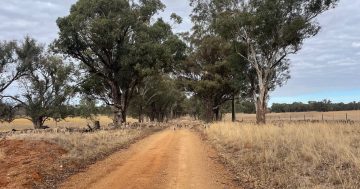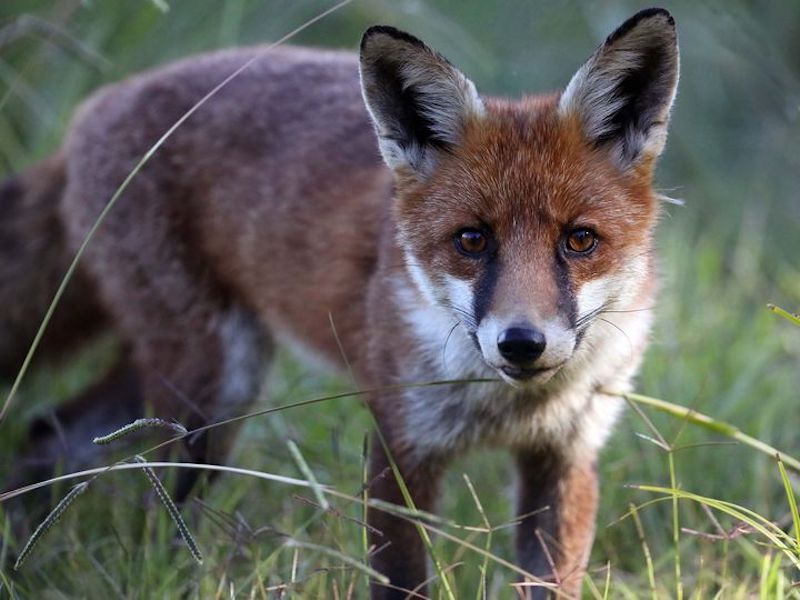
There’s a renewed push for fox control across southern NSW, but not everyone’s convinced it will work. Photo: David Flannery.
A “really tight” autumn season is set to see fox control efforts ramp up in the coming months.
For South East Local Land Services (SELLS) biosecurity officer Rachel Elliot, fox control measures are especially important off the back of last autumn.
That season saw “really tight” conditions across much of the SELLS district, which spans a large portion of the NSW south-east, from near Wollongong and across to Boorowa.
“Anyone who early lambs tends to be the most impacted,” Ms Elliot said.
“Where there’s a tougher [season] in terms of the pasture and less grass on the ground, we definitely notice an increase [in reports].”
She estimated there are seven to 10 foxes per 100 hectares in the NSW Southern Tablelands alone.
“As we get closer to peri-urban or closely settled rural areas, that density actually goes up, and the reason for that is that there’s more abundance of food, more shelter and more water.”
During an upcoming baiting round, SELLS officials are hoping to bait ahead of the foxes’ breeding season and farmers’ spring lambing.
Ms Elliot said that while the bait used could affect domestic dogs, the program was designed to limit that risk as much as possible.
Under the program, the baits (such as fresh lamb pieces or chicken wings) are buried, in the hope of taking advantage of foxes’ instincts.
“The main reason is to stop baits from being moved by things like birds,” Ms Elliot said.
“But foxes — naturally, when they have an abundance of food, or when food is scarce — they will cache food, so they will bury it.
“By burying their fox baits, they’re actually taking advantage of the foxes’ natural behaviour to go get that food that has been cached, [in the sense of] ‘That food has been saved for me’.”
Ms Elliot said simple strategies, such as muzzling a dog or telling your neighbours about the baits (as required by law), could help protect pets and other animals.
“If everyone’s baiting at the same time, the risk is condensed into one timeframe,” she said.
Ms Elliot hoped the push would help landowners win the battle against foxes.
“It ebbs and flows, based on the season and the time of year,” she said of their population growth.
“It’s more us trying to drive a coordinated response to the baiting regime … It’s important for producers to not take their foot off the pedal, because foxes will continue to move in.”
Ms Elliot said it was important to keep an eye out for any signs of the mammals.
“[Tracking them involves] looking for other signs, like, you know, an increase in the presence of things like scats or footprints.
“There might be a scatter of dead bird feathers near a fence … People using a lot more monitoring cameras.”
But WIRES policy lead Dr Colin Salter believes there’s no guarantee the program will work.
In a statement, he told Region that other strategies should be considered.
“Australian research on fox management strategies continues to raise questions about the long-term efficacy of lethal approaches, with baiting programs linked to wildlife deaths, including quolls, bandicoots, and birds of prey.
“Separate studies have shown that the lethal management of foxes can increase fox activity, along with the impacts of free-roaming cats on wildlife.
“Ongoing research into fertility management is critical to reducing fox numbers and the impact they have on wildlife.”
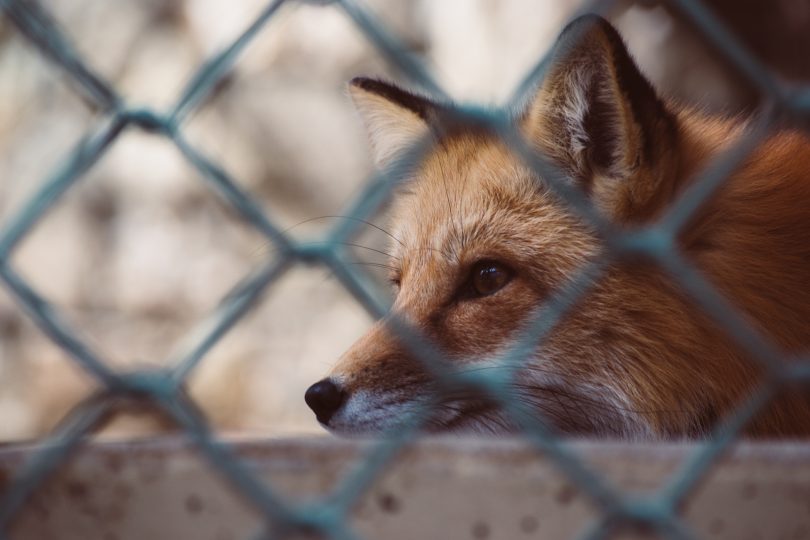
Foxes are most often single predators but can travel in pairs. Photo: Brett Sayles.
SELLS is offering participating landholders free baits, which can be picked up from local collection points.
Those wanting to participate must hold current accreditation to use vertebrate pesticides, or arrange for an authorised person to lay baits on their behalf.
Ms Elliot said the LLS had confidence in the bait program, but it was only one technique the group used.
“There’s lots of tools in the toolbox, and we’ll throw them all at it,” she said.
“But the group baiting is still the primary control method.”
Landholders interested in joining a coordinated baiting group or learning more about upcoming programs can contact South East Local Land Services on 1300 795 299 or visit the Local Land Services website.